
The cost curve
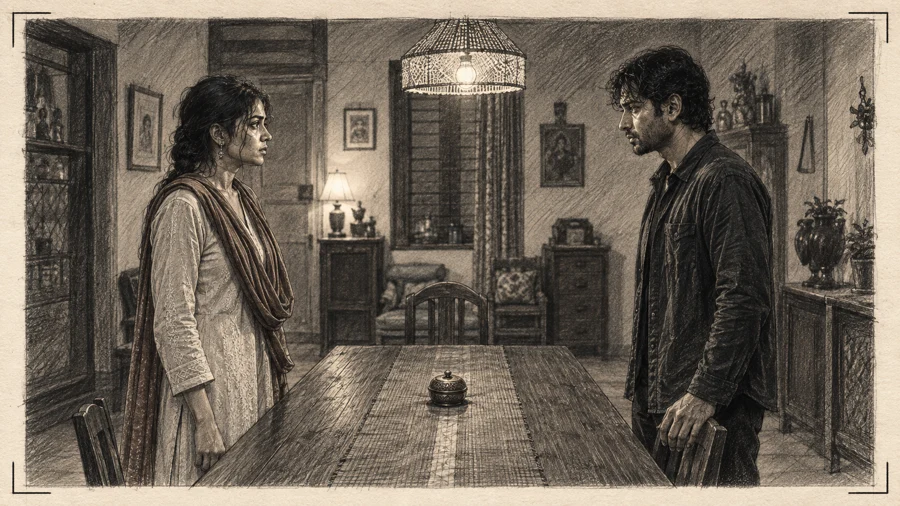
The same realisation - "this scene has no job" - costs a sentence at the brief, a note at the board, a render at the master, and a delayed handover at delivery. Nothing about the realisation changed. Only when it arrived.
Gates cluster before rendering for exactly this reason. Six of the eight blocking gates sit before any full-quality generation happens.
The part that makes gates survivable
The failure mode of a gated process is that every change restarts everything, so people route around the process or stop making changes. Both are worse than having no gates.
The fix is scoped reopening: a change reopens only the gates it actually reaches, and accepted work is preserved by default.
| Change | Reopens | Leaves alone |
|---|---|---|
| Add a language track | Localization, delivery | Canon, script, boards, master |
| Revise a costume | Canon, shots inheriting it onward | Earlier accepted episodes |
| Change episode length | Plan, board, cost | Canon, rights |
| New brand claim | Script, legal, affected tracks | Unaffected episodes |
| Swap a music cue | Rights, delivery | Picture, canon, other tracks |
What a gate records, and why it matters later
Each gate records the approver, their role, the version they saw, the decision, the comments, the time and the downstream scope it released. That is not paperwork for its own sake - it is the thing a brand's legal team, a platform buyer, or a future dispute actually needs.
A production where nobody can say who approved the thing that went wrong will make the same mistake again, because there is no way to find out what happened.
Frequently asked questions
Do eight gates not slow everything down?
They move the slow part earlier. Several close once per production rather than per episode - the brief, canon and rights gates stay closed unless something material changes. Per-episode, what recurs is the plan, the board with its cost authorization, and the master.
Can one person hold several roles?
Yes, and on a solo pilot arc one person is often the customer, the creative approver and the budget holder. The roles stay distinct in the record because the decisions are distinct, even when the person is not.
What if an approver goes silent?
The gate stays closed and production stops there. That is the intended behaviour: work that proceeds past an unclosed blocking gate has no accountable owner for whatever it produces.
Does automation ever approve anything?
No. Automation proposes, generates, checks, routes and assembles. It cannot greenlight spend, approve rights, accept a final cut, publish externally, or represent a person or brand. That rule is what makes the rest of the system sellable to a brand.
Have you measured that gates reduce rework?
Not yet, and we are not going to claim it before we have. Approval rate per gate, corrections per accepted minute and customer reviewer time are the measures, and they will be published from our own production.